

 Facebook
 X
X
 Pinterest
 Copy Link
Introduction
Equitable development is rarely a straight line. Early projects often come with steep learning curves, unexpected constraints, and decisions that test both mission and discipline. While every project is different, there are consistent lessons that tend to emerge—especially for developers navigating their first few deals.
These lessons aren’t about getting everything right. They’re about learning when to move forward, when to slow down, and sometimes, when to walk away.
1. Site Selection Sets the Tone for Everything
One of the clearest lessons from early equitable development projects is that the site itself often determines how complex the project will become.
Factors like zoning, existing use, neighborhood context, and political dynamics can either support the mission or quietly work against it. A site that looks promising financially may introduce challenges that strain timelines, partnerships, or community trust.
Strong site selection doesn’t eliminate risk—but it helps ensure the challenges are aligned with the project’s goals rather than undermining them.
2. Not Every “Good” Deal Is the Right Deal
Early-stage developers often feel pressure to make a project work once time, energy, and relationships have been invested. But equitable development requires a different kind of discipline.
Sometimes the numbers don’t hold once incentives are clarified.
Sometimes zoning or regulatory hurdles grow larger than expected.
Sometimes community alignment isn’t achievable in a way that feels responsible.
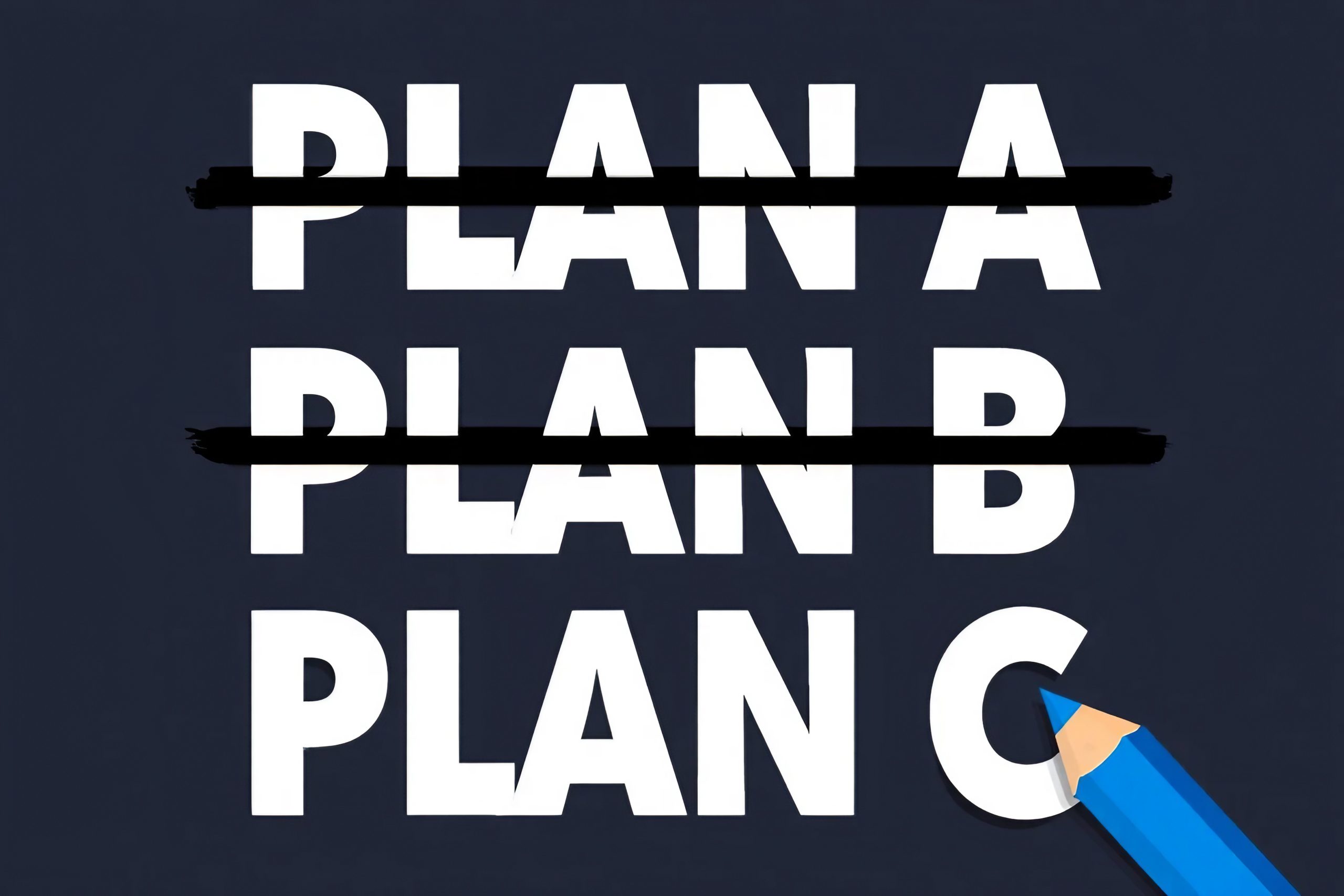
Walking away from a project can feel like failure, but in practice it’s often a sign of maturity and clarity.
3. Walking Away Is a Strategic Decision
One of the most important lessons we’ve encountered is that choosing not to proceed can protect both mission and capacity.
Walking away can mean:
-
Preserving relationships that would be strained by forcing a project forward
-
Avoiding financial structures that compromise long-term affordability
-
Creating space for a better-aligned opportunity
In equitable development, restraint is often just as important as ambition.
4. Community Alignment Is Ongoing, Not One-Time
Early projects reveal that community engagement doesn’t end once approvals are secured. Developers who view engagement as transactional often face challenges later—during leasing, operations, or long-term stewardship.
Projects benefit when alignment is revisited throughout the process, especially as assumptions change or new constraints emerge.
5. The Right Partners Matter More Than Speed
Another common lesson is that moving quickly is rarely as valuable as moving with the right team.
Early projects benefit from:
-
Advisors who understand both mission and feasibility
-
Community partners with local credibility
-
Lenders or funders who align with long-term goals
Rushing ahead without the right partners often leads to rework—or worse, stalled projects.
6. How I Can Help
As a real estate agent working with equitable developers, my role is often centered on early judgment calls—especially around site selection.
I help developers by:
-
Identifying properties that align with affordability, zoning, and community context
-
Flagging potential challenges early so decisions are made with full information
-
Helping evaluate whether a site supports long-term goals, not just short-term feasibility
-
Supporting disciplined decision-making, including knowing when a property may not be the right fit
Sometimes the best outcome is moving forward. Other times, it’s stepping back before a project becomes misaligned.
Conclusion
Early equitable development projects are powerful teachers. They reveal where preparation matters most, where assumptions need testing, and when discipline is essential.
Success in this work isn’t defined by how many projects move forward—it’s defined by choosing the right ones to pursue.
