The Right Way to Approach Your Lender When You’re Facing Financial Hardship
Introduction: If you’re struggling to keep up with your mortgage payments, reaching out to your lender can feel overwhelming. But having an open and honest conversation is often the first step toward finding a solution. Lenders want to work with property owners who are proactive, so knowing how to approach them can make all the difference.
Why It’s Important to Communicate with Your Lender
Many owners avoid contacting their lenders out of fear or embarrassment, but silence can work against you. Here’s why reaching out is crucial:
Avoid Escalation: The earlier you communicate, the more options you’ll have to resolve the situation.
Show Good Faith: Demonstrating that you’re taking responsibility can encourage lenders to work with you.
Access Solutions: Lenders may have programs or options you’re unaware of, like forbearance or loan modifications.
How to Prepare for the Conversation
Before you call your lender, gather all necessary information to make the discussion productive.
Review Your Loan Documents: Understand your loan terms and repayment obligations.
Prepare a Financial Snapshot: List your income, expenses, and debts to explain your situation clearly.
Know Your Timeline: Be aware of how far behind you are on payments and any upcoming deadlines.
What to Say to Your Lender
Starting the conversation can be the hardest part, but here’s a framework to guide you:
Explain Your Situation Honestly: Be upfront about why you’re facing financial hardship, whether it’s job loss, medical expenses, or another challenge.
Example: “I’ve recently experienced [reason], and it’s made it difficult to keep up with my mortgage payments.”
Request Information About Your Options: Ask about loan modification programs, repayment plans, or other relief options.
Example: “Can you help me understand what options are available to get back on track?”
Commit to Next Steps: Show that you’re serious about resolving the issue by committing to the process.
Tips for a Successful Conversation
Be Polite and Professional: Treat your lender as a partner, not an adversary.
Take Notes: Document what’s discussed, including any agreements or next steps.
Follow Up: If your lender needs more information, provide it promptly to keep the process moving.
How I Can Support You If you’re unsure how to approach your lender or need guidance navigating your options, I’m here to help. I’ve worked with many owners to create tailored strategies, communicate effectively with lenders, and find solutions that align with their goals.
Conclusion: Talking to your lender about financial hardship might feel daunting, but it’s an essential step toward resolving your situation. By preparing ahead of time and approaching the conversation with honesty and clarity, you can open the door to potential solutions and a brighter path forward.
Introduction: Stepping into the world of real estate development is exciting, but it’s also full of challenges. Many new developers face setbacks that could be avoided with the right preparation and knowledge. In this post, we’ll uncover the top five mistakes new developers make and share actionable tips to help you sidestep these pitfalls and set yourself up for success.
Skipping the Feasibility Study
Why It’s a Problem: Without understanding the market demand, financial viability, and zoning constraints, your project could stall—or worse, fail.
How to Avoid It:
Conduct thorough research on the market, demographics, and property value trends.
Work with professionals to create a comprehensive feasibility study.
Assess zoning requirements and infrastructure needs before acquiring a property.
Underestimating Project Costs
Why It’s a Problem: Many new developers miscalculate expenses like construction, permits, and unexpected delays, leading to financial strain.
How to Avoid It:
Build a detailed budget, including contingency funds for unforeseen issues.
Consult contractors, architects, and financial experts early in the planning process.
Use software tools to track and manage your expenses in real-time.
Neglecting Community Engagement
Why It’s a Problem: Ignoring the input and concerns of local residents can lead to opposition and delay approvals.
How to Avoid It:
Host listening sessions to understand community needs and gain buy-in.
Work with local organizations to ensure your project aligns with neighborhood goals.
Be transparent about your plans and open to feedback.
Diverse people in a seminar
Choosing the Wrong Team
Why It’s a Problem: A poorly assembled team can lead to delays, legal issues, or subpar results.
How to Avoid It:
Vet contractors, architects, attorneys, and agents carefully based on experience and reputation.
Look for professionals with expertise in the specific type of development you’re pursuing.
Foster open communication to ensure everyone is aligned on project goals.
Overlooking Long-Term Sustainability
Why It’s a Problem: Focusing solely on short-term gains can lead to projects that don’t stand the test of time.
How to Avoid It:
Incorporate energy-efficient design, sustainable materials, and flexible use spaces.
Consider how the property can serve future community needs and market trends.
Plan for ongoing maintenance and management costs.
How I Can Help as Your Real Estate Agent
Property Selection: I’ll help you find properties that meet your goals while minimizing zoning and infrastructure hurdles.
Resource Connections: From feasibility studies to community engagement strategies, I’ll connect you with the right experts.
Project Guidance: As someone who understands Chicago’s market and development process, I can help you navigate challenges with confidence.
Conclusion: Avoiding these common mistakes can save you time, money, and frustration, paving the way for a smoother development process. If you’re ready to start your next project—or want to ensure you’re on the right track—reach out. Let’s work together to turn your vision into a successful, impactful development.
5 Critical Steps to Take After Receiving a Foreclosure Notice
Introduction: Receiving a foreclosure notice can feel like the weight of the world is on your shoulders. It’s a moment no property owner wants to face, but the good news is this: you still have options. Acting quickly and strategically can make all the difference in protecting your future. Here are five crucial steps to take as soon as you receive a foreclosure notice.
Step 1: Don’t Ignore the Notice
Ignoring the problem won’t make it go away. In fact, it can make things worse by limiting your options.
Why It’s Important: Your lender is required to follow specific legal steps during foreclosure. Responding promptly ensures you don’t miss opportunities to take action.
Next Step: Read the notice carefully to understand your situation and timeline.
Step 2: Contact Your Lender
Reaching out to your lender might feel intimidating, but it’s one of the most important steps you can take.
Why It’s Important: Many lenders are willing to work with you to find a solution, whether it’s loan modification, forbearance, or another alternative.
Next Step: Call your lender to discuss your options and request a copy of your loan documents.
Step 3: Know Your Rights
Every state has different foreclosure laws that protect owners, so it’s critical to understand what applies to you.
Why It’s Important: Knowing your rights can help you delay or stop foreclosure if your lender hasn’t followed the law.
Next Step: Research local foreclosure laws or consult an attorney who specializes in real estate or foreclosure defense.
Step 4: Explore Your Options
You may have more options than you realize, including keeping your property or transitioning out of ownership on your terms.
Possible Solutions:
Loan Modification: Renegotiate your mortgage terms to make payments more manageable.
Short Sale: Sell your property for less than you owe with lender approval.
Deed in Lieu of Foreclosure: Transfer ownership back to the lender to avoid foreclosure.
Next Step: Work with a real estate advisor to determine the best course of action for your situation.
Step 5: Seek Professional Guidance
Navigating foreclosure can be overwhelming, but you don’t have to do it alone.
Why It’s Important: A trusted professional can help you understand your options, negotiate with your lender, and guide you through the process.
Next Step: Reach out to a real estate advisor or financial expert who specializes in distressed properties.
How I Can Help You Move Forward Facing foreclosure isn’t easy, but you don’t have to go through it alone. I’ve helped owners like you explore their options, work with lenders, and create solutions that make sense for their unique situations.
Let’s talk about your goals and how I can help you protect your future. I’m here to help.
Conclusion: A foreclosure notice doesn’t mean the end of the road—it’s an opportunity to take control and make the best decision for your future. By acting quickly and seeking support, you can navigate this challenge with confidence.
Introduction: In real estate development, location isn’t just a factor—it’s the foundation of success. For equitable developers, the stakes are even higher, as the right neighborhood can amplify community impact while supporting long-term financial sustainability. This guide will walk you through identifying the ideal neighborhood for your next project, with a focus on aligning community needs and opportunities.
Why Neighborhood Selection Matters
Community Impact: A thoughtfully chosen neighborhood allows you to address critical local needs, like affordable housing or small business support.
Financial Viability: Neighborhoods with growth potential ensure your project remains sustainable in the long term.
Equity Alignment: Selecting the right area lets you balance profitability with community improvement, avoiding unintended displacement.
Key Factors to Consider
Demographics:
Analyze population trends—age, income levels, household size, and more.
Identify gaps in the community, such as a lack of affordable housing or green spaces.
Economic Trends:
Look for neighborhoods with job growth or emerging industries.
Assess average property values and rental rates to determine affordability.
Infrastructure and Amenities:
Proximity to public transit, schools, hospitals, and shopping centers.
The presence (or absence) of parks and recreational spaces.
Community Identity:
Understand the neighborhood’s history, culture, and priorities.
Look for areas with active resident engagement and local organizations.
Engage Locally: Meet with aldermen, community organizations, or neighborhood councils for ground-level insights.
Market Analysis: Conduct feasibility studies to gauge the demand for your project type.
Red Flags to Watch Out For
High Speculation: Areas where rapid property flipping can inflate prices and undermine affordability.
Weak Infrastructure: Neighborhoods lacking sufficient utilities, transit, or public amenities.
Lack of Community Input: Communities without strong voices might struggle to support your project’s goals.
How I Can Help as Your Agent
Customized Market Analysis: I specialize in identifying neighborhoods that align with your development goals.
Data Platforms: My professional subscriptions include tools such as RPR and Chicago Cityscape that provide key metrics.
Access to Off-Market Opportunities: Gain an edge with properties that may not be publicly listed.
Community Connections: Leverage my network to connect with local stakeholders, ensuring smoother project planning.
Guidance Every Step of the Way: From feasibility studies to final negotiations, I’ll make sure you have all the tools you need.
Conclusion: Choosing the right neighborhood is a strategic process that requires equal parts data, intuition, and local expertise. By focusing on the right metrics and engaging with the community early, you can ensure your development adds value in every sense. If you’re ready to explore Chicago’s diverse neighborhoods for your next project, let’s connect—I’d love to help you find the perfect fit.
Foreclosure vs. Short Sale: Understanding Your Best Option
Introduction: Facing financial challenges with your property can be overwhelming. If you’re behind on payments, you may have heard terms like “foreclosure” and “short sale” thrown around. But what do they mean, and how do they affect your future? Knowing the difference between the two is essential to making an informed decision that protects your financial and personal well-being.
What Is Foreclosure? Foreclosure is a legal process initiated by your lender when you’ve stopped making mortgage payments. Here’s what happens:
Your lender takes legal action to repossess your home.
Once the foreclosure process is complete, the property is sold at auction or listed for sale to recover the remaining loan balance.
Key Impacts of Foreclosure:
Credit Score Damage: Foreclosures remain on your credit report for up to 7 years and can significantly lower your score.
Loss of Home: You’ll lose ownership of the property and may be forced to leave quickly.
Deficiency Judgments: In some cases, you may still owe the lender money if the home sells for less than the loan balance.
What Is a Short Sale? A short sale occurs when you sell your home for less than the amount owed on the mortgage, with your lender’s approval. While it still involves financial challenges, a short sale can be a more proactive alternative.
Key Benefits of a Short Sale:
Less Credit Impact: Short sales usually affect your credit less severely than foreclosures.
Greater Control: You have a say in the sale process, including (with limitations) setting the price and negotiating terms.
Avoiding Deficiency Judgments: In many cases, lenders agree to forgive the remaining debt, though this isn’t guaranteed.
Which Option Is Right for You? Choosing between foreclosure and a short sale depends on your situation:
If you want to avoid foreclosure’s lasting effects and have time to act, a short sale may be the better choice.
If time is running out or other options aren’t feasible, foreclosure may be the unavoidable next step.
Important Note: Always consult with a trusted real estate professional, attorney, or financial advisor before making decisions about your property.
How I Can Help Navigating these options can feel overwhelming, but you don’t have to face it alone. I’ve helped homeowners explore their options, negotiate with lenders, and find solutions that minimize financial and emotional stress.
If you’re unsure what path to take, let’s talk and together, we’ll find the best solution for you.
Conclusion: Facing foreclosure or considering a short sale is never easy, but understanding your options can empower you to take control of the situation. Remember, you don’t have to go through this alone—help is available.
Introduction: Navigating zoning regulations can feel overwhelming, especially for new developers in Chicago. But understanding the city’s zoning code is key to finding opportunities, avoiding pitfalls, and getting your projects off the ground. In this guide, we’ll break down the basics of zoning in Chicago, key concepts to understand, and tips for working with zoning approvals.
What Is Zoning and Why Does It Matter?
Definition: Zoning determines how land can be used—residential, commercial, mixed-use, or industrial.
Purpose: To promote orderly growth, ensure public safety, and balance competing needs in the city.
Importance for Developers: Zoning determines what you can build, how high, how dense, and what functions your property can serve.
Chicago Zoning Basics for New Developers
Zoning Code Overview: Chicago’s zoning code consists of districts (e.g., RS for residential, B for business, M for manufacturing) and further subcategories for density or use (e.g., RS-3 for single-family homes).
Key Terms to Know:
FAR (Floor Area Ratio): Dictates how much building you can have on a given lot.
Setbacks: The required distance between your building and the property line.
Special Use Permits: Required for unique projects outside standard zoning rules.
Chicago’s Zoning Map: Learn to read and use the map to identify opportunities. Follow this link to view the map.
Common Challenges New Developers Face with Zoning
Rezoning Delays: The process can take months and requires community and aldermanic approval.
Permitting Obstacles: Missing documentation or misunderstandings of the code can lead to delays.
Community Pushback: Lack of engagement with local residents can derail projects.
Pro Tips for Navigating Chicago Zoning Successfully
Engage the Community Early: Host listening sessions or meet with local groups to address concerns upfront.
Build a Strong Team: Work with a zoning attorney, architect, or real estate agent familiar with Chicago’s system.
Stay Flexible: Be ready to adjust your plans to align with zoning requirements or community input.
How I Can Help as Your Real Estate Agent
Property Sourcing: I specialize in finding properties that align with your zoning needs and goals.
Navigating Rezoning: I’ll connect you with experts to guide you through the rezoning or special-use permitting process.
Connecting You to Resources: From zoning attorneys to community liaisons, I’ll help you build the team you need to succeed.
Conclusion: Zoning is a critical piece of the puzzle for equitable developers in Chicago. By understanding the basics, anticipating challenges, and working with a team that knows the landscape, you’ll be set up for success. If you’re ready to explore your next project, let’s connect—I’m here to help you navigate the process every step of the way.
Just east of New City is one of the smallest community areas in the city, Fuller Park. Located near the stockyards and the railroads the first residents of the area found work nearby. The neighborhood grew following the Great Chicago Fire since it was still part of Lake Township at that time and did not have as strict building codes as the city adopted in its rebuilding era. The area was annexed in 1889.
During the late 19th century the city was grappling with many public health concerns such as pollution in the lake and river from sewage and the stockyards, illnesses such as respiratory diseases, dysentery, and cholera, as well as poor living conditions and sedentary lifestyles. One of the major pushes to overcome these challenges was to build more parks. In 1869 John H. Rauch published Public parks: their effects upon the moral, physical and sanitary condition of the inhabitants of large cities; with special reference to the city of Chicago. In this piece, he addressed the benefits of public parks and discussed how they can improve public health.
“Parks have been aptly termed ‘the lungs of a city.’ They are emphatically the people’s gardens, – places to which the overtasked laborer and mechanic of the overcrowded city can, with his wife and children, resort to breathe the breath of God’s pure air, inhale the odors of fresh, blooming flowers and enjoy the pleasures of a rural retreat on a larger scale, amid far richer vegetable forms, than in the gardens created by mere private opulence. … I think it is not presuming too much to say that the climate of Chicago may be materially modified, and rendered more equable, by the proper location of parks, and the planting of trees, thereby diminishing the mortality of preventable diseases, and improving the general health.”
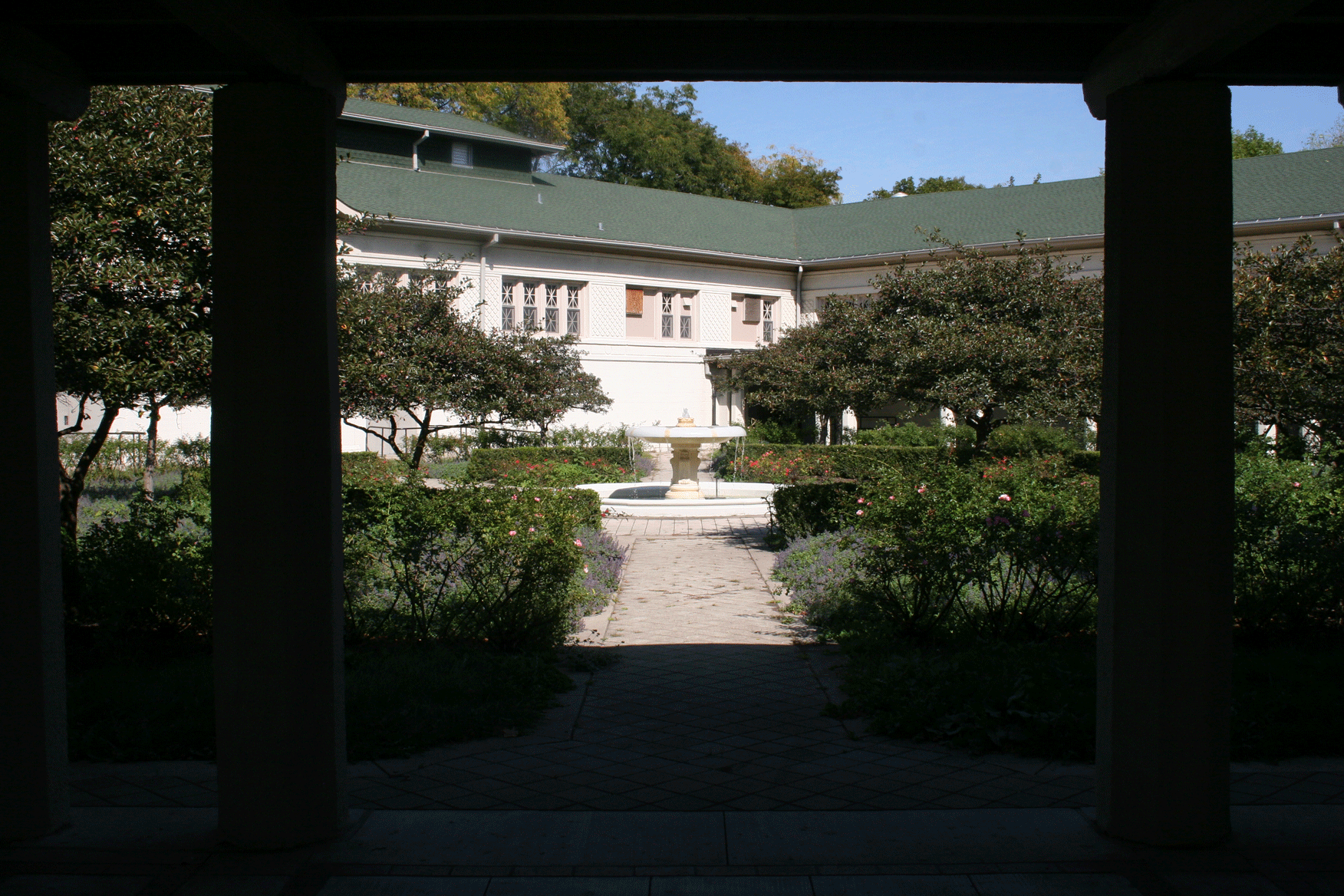
Between 1903-1905 the South Park Commission planned and implemented a system of neighborhood parks. Designed by the Olmsted Brothers landscape architects and D.H. Burnham & Co. architects these large parks featured gymnasiums, swimming pools, and the world’s first field houses. Fuller Park is one of these neighborhood parks. Spanning 11.41 acres it has a fountain, swimming pool, playground, sport fields, tennis courts, and a fieldhouse with a kitchen, fitness center, auditorium, and meeting rooms.
Fuller Park has always been an impoverished neighborhood. The stockyards, which served as one of the largest employers in the area, declined in the 1960s and finally closed in 1971. This disinvestment came towards the end of redlining. During redlining the area had a D rating, the lowest rating used. Appraisers gave the area the following description,
“Located between 35th and 63rd, Wentworth to Halsted, a mixed area consisting of foreigners, mostly Lithuanian and Italian. Colored people are on Tremont, between Normal and the railroad. Many railroad yards, shops, etc., are in the area, with a poor class of property adjoining them. Stockyard odors are detrimental when the prevailing wind is from the west; stockyard location is at 43rd to 47th, Halsted to Western. This has a tendency to soften returns and depress sales. Area improved somewhat south of Garfield where there are more single homes. Transportation is not good, especially in the north section. It is better south of Garfield. On Union are many poor frame houses, with a few 2’s; and south of Garfield the situation improves somewhat both as to brick, frames and 2’s. On Lowe are a number of frames, old, in fair condition. 63rd and Halsted is a good business location, ranking with Uptown as an excellent retail section, notwithstanding the class and occupation of the surrounding districts; Sears Roebuck have one of their largest, modern retail stores here. The Gar Wood Industries, Inc., are on 37th west of Wentworth. Another blighted area.”
Today, the area described includes all of Fuller Park and a little bit of New City, Armour Square, Bridgeport, and Englewood. South of Garfield Blvd is Englewood, which, unlike Fuller Park, was a neighborhood that thrived in the first half of the 1900s.
Disinvestment continued in the last half of the 20th century. From 1975-1990 the stockyards area lost over 41% of jobs. In the 1980s the neighborhood received fewer home improvement loans than any other in Chicago and no new housing was built between 1969-2004.
Even with a lack of investment as recently as 20 years ago neighbors continue to work together to improve the area. In 1997 resident Michael Howard learned that Fuller Park contained the highest levels of lead in the city of Chicago. Concerned with the health and safety of his family and neighbors he decided to start by cleaning up the illegal dump site across the street from his home. He acquired the deed to the property and over the course of three years he and his wife worked with hundreds of neighbors and volunteers to clean up the three acre parcel of property that housed mounds of waste over two stories tall. Following the clean up the space was developed with tons of fresh soil, a gazebo, storage sheds, trees, and even a reflecting pond.
The Eden Place Nature Center harks back to the late 19th century ideas regarding the importance of nature and parkland. Founded by Amelia and Michael Howard, the couple has dedicated themselves to giving back to the community. They’ve provided financial literacy programming, job training, and through Eden Place Farms they teach how to farm and connect with nature in an urban setting.
Although the community is still plagued by environmental problems that have developed through its history the work done at Eden Place has made a very big difference in helping Fuller Park move forward.
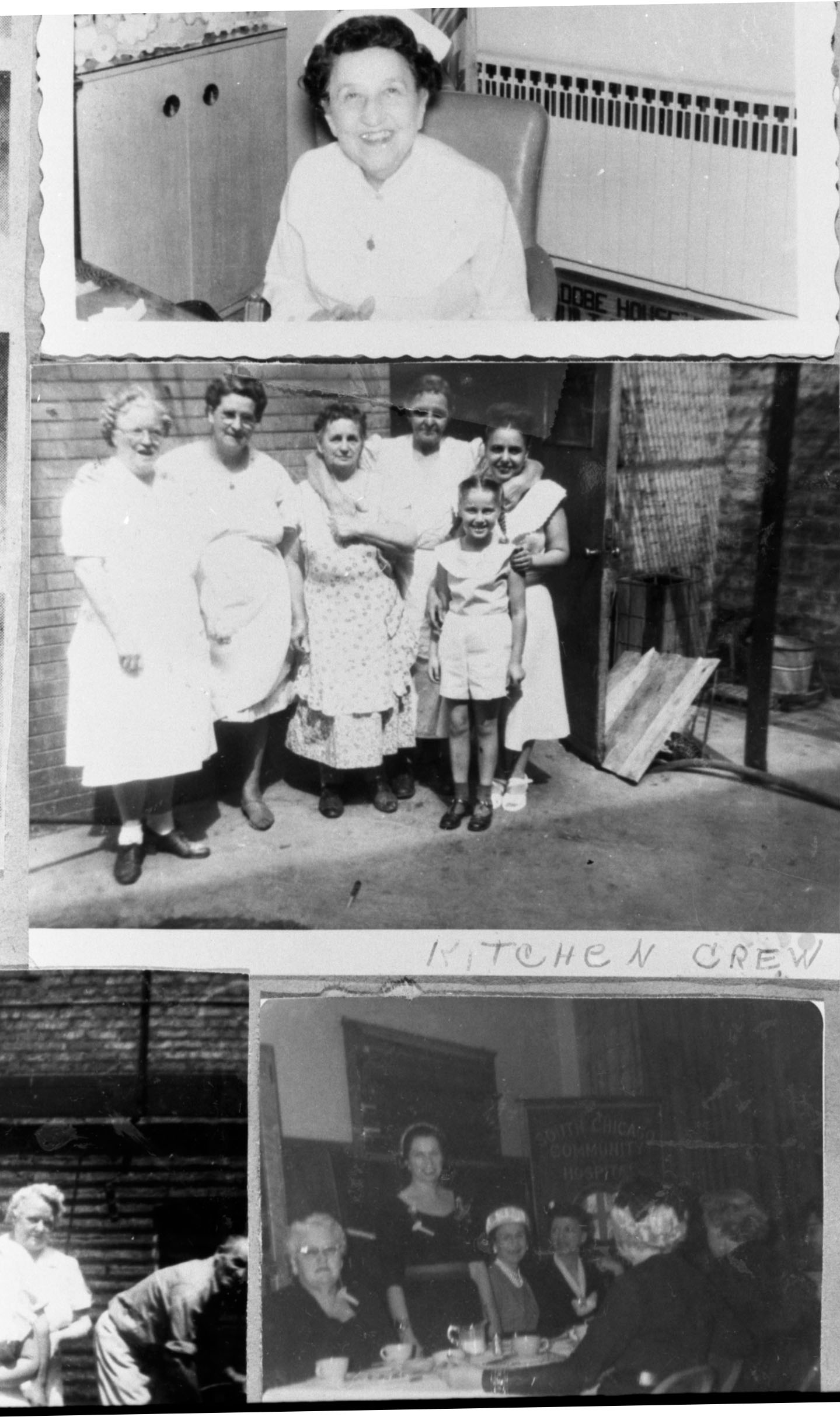
Although Chicago’s history goes back to the 1830s it wasn’t until 1881 when settlement began in Calumet Heights after a rail line was constructed on the west edge of the area. A quarry encouraged more growth, but even decades after the area was annexed to Chicago residential growth remained slow. In the 1920s the area finally saw a growth boom, doubling the population over the 10 year period. However, the great depression slowed it down again and it remained slow until after WWII. The area is still filled with mid-century single-family homes. Most notable are the ones in the neighborhood, Pill Hill. The neighborhood got its moniker because many of the original homeowners moved to the area to work at the South Chicago Community Hospital, now Advocate Trinity Hospital.
Founded in 1895, the hospital has served the area practically since its initial settlement. By 1917 the hospital was nearly bankrupt. However, the Spanish Flu of 1918 gave the community good reason to find ways to keep it afloat. In 1920 Clara Dorothy Schaefer was named superintendent and she famously turned the hospital around, increasing the average annual patient count between 1920-1929 from 700-2,700. Schaefer was hired by Dr. J. V. Kahn, who later wrote her this letter, “When you arrived you found a small hospital, infested with rats, mice and vermin. I thought you would quit the next day, but hoped you would stay. Sufficient help was lacking, and patients had to eat, so besides being superintendent you became exterminator, cook, maid, housekeeper, and what not. You toiled day and night in your effort to clean up the place, give it a good reputation, and live down the public’s ‘slaughter house’ opinion. In a short time you succeeded.” She helped make both the hospital and nursing school a success. Schaefer retired in 1957. In 2014 a park in neighboring South Shore was officially named after her.
Calumet Heights already had an 18.4 acre park of its own. The Jesse Owens Park was established between 1947-1955. Originally called Stony Island Park the Park was renamed in the mid1980s to honor the Olympian Jesse Owens. Although Owens is not from Chicago he made great contributions briefly serving as director of the Chicago Boys Club, the Illinois State Athletic Commission, and the Illinois Youth Commission. The large park offers many amenities to the community. A fieldhouse has a fitness center, meeting rooms, and a green roof garden. A nature garden surrounds the building. Outside there are four baseball diamonds, picnic groves, tennis courts, a field, and, of course, an olympic themed playground.
The area further supports family life by being host to the first and only children’s museum dedicated to teaching African American History, the Bronzeville Children’s Museum.
While the history of Calumet Heights is fairly short compared to many other areas in Chicago it’s also pleasantly stable. The community hasn’t survived without struggle, but having been influenced greatly by the hospital and the settlement of doctors and other white collar workers on Pill Hill has led to a stable middle-class community built through generations of families.
Framed by Chinatown to the north and Guaranteed Rate field to the south Armour Square is a pocket of vast history in Chicago. The majority of Armour Square is a stretch of residences between Chinatown and Sox Park, about one mile long and half a mile wide. Even in that small area there is a wide variety of homes from small apartments, newer condos, townhomes, older houses and new houses, big and small. The neighborhood started to take shape following the Great Fire of 1871. It was south of the fire, but as part of the rebuilding, the city required downtown construction to be of brick or stone. Armour Square was far enough away that wood could still be used in construction. This attracted families that could not afford the higher costs for the “brick area”.
The year 1890 brought the construction of the second South Side Park, often called Brotherhood Park, located between 33rd and 35th and Wentworth west to the train tracks. This ballpark was home to the White Stockings (now the Cubs) for just a few years before they moved out of the neighborhood. By 1900 proposals were made for turning the grounds into a large public park, complete with a lagoon.
1900 was also the year the Chicago White Sox moved to town. They started playing at South Side Park III, just a few blocks south of South Side Park II and just west of the first South Side Park. While Brotherhood Park was never developed into the grand plan with a lagoon it was acquired by the South Park Commissioners who developed 8.98 acres into a fieldhouse with two gymnasiums, an assembly hall, a pool, baseball fields, tennis courts, and a children’s playground. All of these amenities are still a part of what is now called Armour Square Park.
The White Sox played at South Side Park III until 1910 when Comiskey Park was built on the south end of where Brotherhood Park stood. South Side Park III became home to the American Giants, a new team in the Negro League that became a dominant team in the league. They played at that park until 1940 when fire damage caused them to move to Comiskey Park. The area was later redeveloped into the housing projects, Wentworth Gardens.
Approximately one third of the Chinese population in Chicago lives in Armour Square. About twenty five percent of the Chinese population lived in the Loop’s Chinatown, along Clark between Van Buren and Harrison, in the 1890s, but most of them migrated south establishing Chinatown in Armour Square by 1910. A myriad of factors including cheaper rent and racism seemed to drive the population away from the Loop.
The On Leong Merchants Association began developing the area in 1912 with a large mixed use building for housing, retail, and their headquarters. They worked with the architects to make sure the building had a distinct Chinese aesthetic. They then purchased additional 10 year leases to develop the area and establish the new Chinatown. Before the Chinese started establishing their neighborhood Armour Square was largely resided by Italians. Feeling pressure from the Chinese community moving in there was a push to block Chinese from building and leasing in the area. It had to be done through an intermediary. However, the community pressed on and in the 1920s they had about 50 ten-year leases for developing Chinatown. The longest running restaurant in Chinatown, Won Kow, was established in a new building in 1928 and served until 2018, demonstrating the longevity of the Chinatown community. While the Chinatown neighborhoods in other major cities are shrinking Chicago’s is still growing.
Although the neighborhood was growing from the start, it’s said it took about 50 years for Chinatown to become a sizeable neighborhood and it hasn’t always been smooth sailing. Chicago held the 1933 World’s Fair. As the city was celebrating its 100th year since incorporation the fair was called A Century of Progress. The fairgrounds ran along the lake from about Monroe to 35th, making Armour Square practically adjacent to it. While this was a good thing for the Sox who hosted the first MLB All-Star game that summer it wasn’t good for Chinatown which lost about half of its housing to make room for an extended streetcar line along a widened Cermak Road.
Following WWII in the age of redlining and highway construction Chinatown, which like much of the city, received a D grade. The Dan Ryan Expressway was originally meant to cut through Bridgeport, but it was rerouted to east of the mayor’s neighborhood creating a physical divide between white Bridgeport and the Black Belt. It also cut through Armour Square, demolishing more homes in Chinatown and creating a barrier between Chinatown and the rest of the area. Chinatown essentially became an island bordered by the expressway, train tracks, and river, stifling physical growth of a neighborhood that continued to see a large increase in population. The construction also demolished the only neighborhood parks including the fieldhouse. Leaving the neighborhood with no community recreation areas or greenspaces for two full generations.
It wasn’t until 1972 when Chinatown got its first branch of the Chicago Public Library. Previously the bookmobile would come through the neighborhood weekly. Neighborhood advocates pushed for more services and relevant selections in Chinese. Chinatown is now on its third location of a library branch. The 16,000 square foot building is a beacon in the community complete with feng shui design and a rooftop park.
In 1975 the Chinatown Gate was erected at the intersection of Wentworth and Cermak. This gate marks the entry to the oldest and most dense blocks of the neighborhood. Inscribed in large characters it reads, “The world is for all.” The 1980s also brought the founding of the Chinatown Chamber of Commerce as well as the development of Chinatown Square, a two story mall with shopping, dining, and professional services. It has come to serve as a gathering area of the neighborhood for cultural celebrations and performances and it is decorated with 12 statues of the Chinese Zodiac.
While Chinatown pressed on and continued building in the 1980s the Sox were having a hard time. Following 1979’s Disco Demolition Night, a promotional event that destroyed the field and ended in a riot, the losing team was sold to the Reinsdorf group. The team started to win again until the manager was fired and the struggle returned. When Reinsdorf had trouble raising funds for a new ballpark the team was almost moved to Tampa Florida. He managed to get funding at the last minute and the new Comiskey Park was built.
Even though the 1983 Sox uniform was a good and popular design the 1990 rebranding helped turn the team around. Based off of the popular uniforms of the late 1950s, the pinstripes, clean lines, and Old English style lettering was an instant hit among fans who got to preview a couple of potential designs at a neighborhood block party. The rebranding coincided with the timing of rapper Ice Cube leaving the group N.W.A. to go solo. As a solo artist, he was looking for a refreshed style as well. Growing up he was always drawn to Old English fonts, so when the new Sox hat came out with simple white on black Old English lettering he immediately took it on for his own personal branding. That endorsement followed by many other popular rappers choosing to wear the brand helped White Sox merchandise hit number 1 in MLB national sales by August 1991. They started by making 9,000 hats in 1990 and in 1991 demand was so high that they produced 544,000 hats.
The 1990s were good for Chinatown as well. In 1999 development of Ping Tom Memorial Park was completed, over 30 years after the Dan Ryan expressway displaced the parks and fieldhouse in the neighborhood. This nearly 18 acre park along the south branch of the Chicago River connects Armour Square/Chinatown to the South Loop. In 2013 a fieldhouse was built for swimming, a gymnasium, meeting rooms, and a green roof. Ping Tom Park has become a weekend attraction for enjoying nature, picnics, kayaks, outdoor entertainment, and it also houses a Water Taxi stop.
While the early 2000s saw stability in the area, including a White Sox World Series win, the area is facing possible changes again. Just north of Chinatown, in the South Loop, is the largest undeveloped tract of land in downtown Chicago. The 62-acre site is under development and slated to become the newest neighborhood, called the 78. Plans for the 78 are still in development. Creating a riverwalk that connects it to Chinatown has been a steady and welcome part of the concept. The threat to Armour Square is the proposal for the Sox to move out of the neighborhood and into the 78. There is no telling right now whether this idea will take flight, but if it does they will no longer have the title of longest residency in one neighborhood and Armour Square, which has always been a home for baseball, will have to find a good use and draw for the vacated stadium. If it were to happen it would certainly have a very big impact on the area.
West Garfield Park started as a village called Central Park, for the large park to the east, and was renamed West Garfield Park in 1881 following the assassination of President James A. Garfield. It was a residential community with most recreation taking place in the park. The park offered a variety of activities. The conservatory houses exotic plants, there are areas for picnics, and a bicycle track. In 1878 a gentlemen’s club was established, on the west side of the park, complete with a race track for horses. By 1888 the club was converted for gambling. This may have not been the best move. Only four years later, in 1892 the track was raided by the police three times. Two police officers were shot in the last raid and the track was shut down for racing.
The space was later used for more family friendly programming including Buffalo Bill’s Wild West Show. However, it was demolished in the early 1900s for more housing. From what I can tell the border had been from about Madison to Congress and Hamlin to Springfield.
Many policemen moved into the area along Wilcox street, which gave it the moniker Uniform Row. Other new residents came for jobs in the new Sears plant in nearby North Lawndale. The El along Lake street was built in 1893, which caused the commercial district to move along Madison street at Crawford. By 1914 the new commercial district housed department stores, hotels, and movie theaters. It was so vibrant that the proposal to rename Crawford to Pulaski sparked a 19-year long fight.
During its heyday the Madison Street shopping district was one of the busiest in the city, the Marbro Theater was one of the largest, and the Paradise was considered the most beautiful movie house. The Midwest Athletic Club was the tallest building between the Loop and Des Moines, Iowa. The Chicago Bears were founded in 1922 by a West Garfield Park resident, George Halas. He was a coach to the team for 40 years and helped them win six world championships as well as enjoy two undefeated seasons. Good times!
Like many neighborhoods in Chicago the Great Depression, followed by World War II, and then the rampant segregation of the 1950s played a great part in changing the neighborhood dynamic. Construction of the Congress Expressway displaced many homeowners and effectively cut off the south end of the neighborhood.
In 1959 a black family moved into the center of the neighborhood on the 4300 block of west Jackson Blvd. Two neighborhood groups were formed, the United Property Group and the Garfield Park Good Neighbors Council. The former opposed black homebuyers in the neighborhood and the latter welcomed them.
During the ‘60s the neighborhood suffered the consequences of white flight. Many block clubs and small organizations were formed to help maintain the neighborhood, but it caused the community to look disjointed from an outsider’s perspective. However, there was still a sense of neighborhood within the community. Extended families lived in nearby houses. Homeownership and business ownership was common and the park was well-used as a gathering place for families and kids. However, racial tensions were still rampant and were the catalyst for a riot in 1965.
The fire departments at the time did not hire black people and were considered careless in this neighborhood. When a, possibly drunk, fireman accidentally killed a pedestrian it was the last straw and a large riot ensued, destroying many buildings and causing many white-owned businesses to leave. Rioting took place again only a few years later in 1968 following the assassination of Dr. Martin Luther King Jr. The King Riots destroyed over 100 buildings along a two miles stretch of Madison Street, running through East and West Garfield Park. 1968 was also the year the Fair Housing Act was passed after which many black families moved out of the neighborhood too, leaving it vulnerable to drug trafficking and crime.
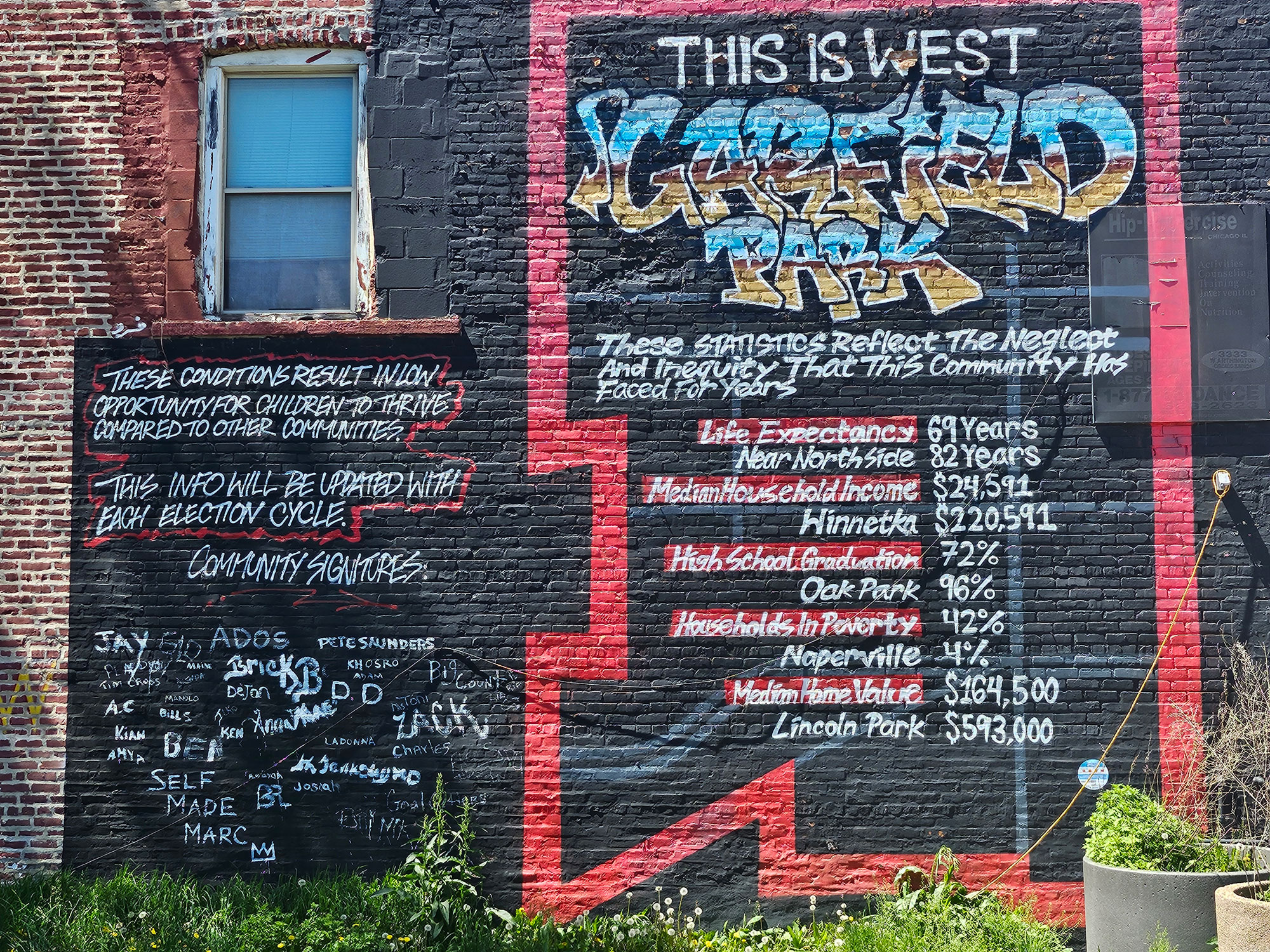
Although it’s suffered tough times through the second half of the 20th century there has been a continued push for improvement. For example, in 1986 former President Carter and his wife volunteered with Habitat for Humanity to build a four-unit townhouse in the neighborhood. They even lived in the neighborhood at the Guyon Hotel during construction. Unfortunately, even though, families moved in immediately the property ended up falling in disrepair and was torn down in 2010. Even today West Garfield Park is full of community members who are dedicated to building the neighborhood and getting investment in to support businesses in the neighborhood. WTTW has a great documentary about the community. It’s framed after the City Bricks Report Card Mural at 4333 W Madison and discusses the disparity that exists between West Garfield Park and other affluent neighborhoods in Chicagoland. It illustrates the conversations and activities that neighborhors are focused on to figure out how to make things better. They need investment and they need the investment to go to the the community members who are ready to do the work needed to create more opportunities for their neighbors.
At the end of the documentary was a little bonus mention about the next report card mural that they are creating. It’s for North Lawndale and the block they filmed was directly across the street from the property I just sold. When it was listed there was a lot of interest from neighbors who wanted to do a variety of activities with the building, from after school programming to artistic spaces. In the end it was sold to a food pantry, another good thing for a neighborhood of community members who want to give back.


 Facebook
 X
X
 Pinterest
 Copy Link