Behind on Your Mortgage? A Short Sale Might Be an Option
Introduction: If you’re struggling to keep up with mortgage payments and your property is worth less than what you owe, a short sale could be a way to avoid foreclosure while minimizing financial damage. But is it the right solution for you? In this post, we’ll break down what a short sale is, how it works, and the pros and cons to consider.
What Is a Short Sale?
A short sale happens when a property owner sells for less than the amount owed on the mortgage, with the lender agreeing to accept the lower amount instead of pursuing foreclosure. This allows the owner to move on without the long-term consequences of foreclosure.
Key Points to Know:
The lender must approve the sale before it can go through.
Short sales can take longer than traditional sales due to lender negotiations.
While it impacts your credit, it’s typically less damaging than foreclosure.
Who Qualifies for a Short Sale?
Not every property owner qualifies for a short sale. Lenders usually require:
✅ Financial Hardship: Job loss, medical bills, divorce, or other major financial struggles. ✅ Owed More Than the Home’s Value: Your mortgage balance exceeds your property’s market value. ✅ Proof That You Can’t Afford Payments: Lenders typically require bank statements, tax returns, and a hardship letter.
If you meet these criteria, your lender may consider a short sale as an alternative to foreclosure.
home insurance concept , little house with text ,Insurance, keys, money on green background
Pros and Cons of a Short Sale
✅ Benefits of a Short Sale:
Avoids Foreclosure: Helps protect your credit from the worst financial consequences.
More Control Over the Process: You have the chance to sell rather than having your property taken by the bank.
May Reduce Debt Liability: Some lenders forgive the remaining balance after the sale.
❌ Challenges of a Short Sale:
Takes Time: Lender approval can take weeks or months.
Possible Deficiency Judgment: In some cases, lenders may require you to repay part of the remaining balance (consult a financial or legal professional to understand your risks).
Credit Impact: While better than foreclosure, a short sale still affects your credit score.
How to Start the Short Sale Process
If a short sale sounds like an option for you, here’s what to do next:
Talk to Your Lender – Ask if they allow short sales and what their requirements are.
Consult a Real Estate Professional – Work with someone experienced in short sales to guide you through the process.
Gather Documentation – Prepare financial hardship proof, tax returns, and bank statements.
List the Property – Your agent will help market and negotiate the sale with potential buyers.
Wait for Lender Approval – Once a buyer makes an offer, the lender must approve the sale before closing.
How I Can Help
Short sales require careful planning and lender negotiations, but I’ve helped homeowners navigate this process successfully. I can assist by:
✅ Determining if a short sale is a viable option for you. ✅ Connecting you with buyers who are willing to go through the short sale process. ✅ Working with your lender to help move the sale forward.
If you’re considering a short sale and want to understand your best path forward, let’s talk.
Conclusion:
A short sale isn’t the right choice for everyone, but for many property owners, it’s a way to avoid foreclosure and move forward with less financial damage. If you’re unsure of your options, don’t wait—getting the right guidance now can make all the difference.
Introduction: Securing financing is one of the biggest challenges for equitable developers. Unlike traditional real estate investments, equitable development often involves affordability considerations, community benefits, and long-term sustainability—all of which require creative financing solutions. In this post, we’ll explore various funding options, incentives, and strategies to help you finance your next equitable development project successfully.
1. Understanding the Unique Financial Needs of Equitable Development
Balancing Profitability with Affordability: Investors seek returns, while communities need affordability and access.
Longer Timelines: Community engagement and approvals can extend project timelines, requiring more financial planning.
Complex Capital Stacks: Equitable development often requires layering multiple funding sources.
2. Traditional and Alternative Financing Options
Traditional Financing Sources:
Conventional Bank Loans:
Pros: Reliable, structured repayment.
Cons: Requires strong credit, cash reserves, and substantial equity.
Best For: Developers with strong financial backing.
Community Development Financial Institutions (CDFIs):
Pros: More flexible than traditional banks, mission-driven lending.
Cons: Can have higher interest rates or stricter impact requirements.
Best For: Developers focused on affordable housing or economic development.
Top view of businessman signing documents. African American woman waiting while her business partner signing official document. Business meeting concept
Solution: Work with experienced consultants who specialize in LIHTC, TIF, and Opportunity Zone funding.
Challenge: Long Approval Timelines
Solution: Build flexible financing models that account for delays and shifting costs.
How I Can Help as Your Real Estate Agent
Identifying Properties with Incentives: I’ll help you find properties in TIF districts, Opportunity Zones, or areas with high funding potential. I can use my professional subscriptions to pull a list of incentives that may be available for a specific PIN.
Connecting You with Lenders & Investors: My network includes CDFIs, private investors, and financial experts who specialize in equitable development.
Navigating the Application Process: I’ll introduce you to grant writers and financing consultants to help secure funding.
Strategic Development Planning: I’ll work with you to help structure your project for long-term financial success.
Conclusion:
Equitable development requires innovative financing strategies to balance profitability and community impact. By leveraging tax incentives, alternative funding sources, and strategic partnerships, you can bring your vision to life without sacrificing financial sustainability. Ready to explore financing options for your next project? Let’s connect and strategize your funding plan.
Need to Sell Quickly? Here’s How to Avoid Foreclosure and Move Forward
Introduction: If you’re facing foreclosure, selling your property quickly could be the best way to protect your credit, eliminate financial stress, and take control of your future. The good news is that you have options—and with the right approach, you can sell efficiently and on your terms. In this post, I’ll walk you through the steps to make a fast sale possible while avoiding common pitfalls.
Step 1: Understand Your Timeline
Foreclosure doesn’t happen overnight, but waiting too long to act can limit your options. Knowing where you stand in the foreclosure process helps determine how quickly you need to sell.
What to Do:
Check your lender’s timeline for foreclosure proceedings.
If you’re in pre-foreclosure, you still have time to sell before legal actions escalate.
The sooner you act, the more leverage you’ll have in the sale process.
Step 2: Price Your Property Competitively
When time is limited, pricing correctly from the start is critical. Overpricing can lead to delays, while a competitive price attracts serious buyers quickly.
What to Do:
Work with a real estate professional to determine a fair but competitive price.
Analyze recent sales in your area to understand market conditions.
Consider slightly underpricing your property to generate strong buyer interest.
Step 3: Make Your Property Market-Ready (Without Overspending)
A well-presented home sells faster, but you don’t need a major renovation. Focus on small improvements that make a big impact.
What to Do:
Declutter and clean to make your property feel inviting.
Address minor repairs like leaky faucets, peeling paint, or broken fixtures.
Improve curb appeal with simple touches like mowing the lawn and adding fresh mulch.
Step 4: Explore Fast-Sale Options
Traditional sales can take time, but there are ways to speed up the process.
What to Consider:
Cash Buyers: Investors or companies that buy homes for cash can close in days, but may offer slightly less than market value.
Short Sale: If you owe more than your home is worth, a short sale (where the lender agrees to accept less than the mortgage balance) could be an option.
Working with an Experienced Agent: A real estate agent who understands foreclosure situations can market your home effectively for a fast, fair sale.
Step 5: Work with the Right Professionals
Selling a home under financial stress can be overwhelming, but the right guidance makes all the difference.
Who Can Help:
A real estate professional (like me!) to guide the sales process efficiently.
A financial advisor to help you manage proceeds and plan for your next steps.
A real estate attorney to ensure all legal aspects are handled correctly.
How I Can Help
As someone who has worked with distressed property owners, I understand how urgent this process can be. I can help by: ✅ Listing your home for a fast, competitive sale. ✅ Connecting you with serious buyers, including cash buyers. ✅ Helping you navigate lender negotiations for a smooth closing.
If you’re considering selling to avoid foreclosure, let’s talk about your best options.
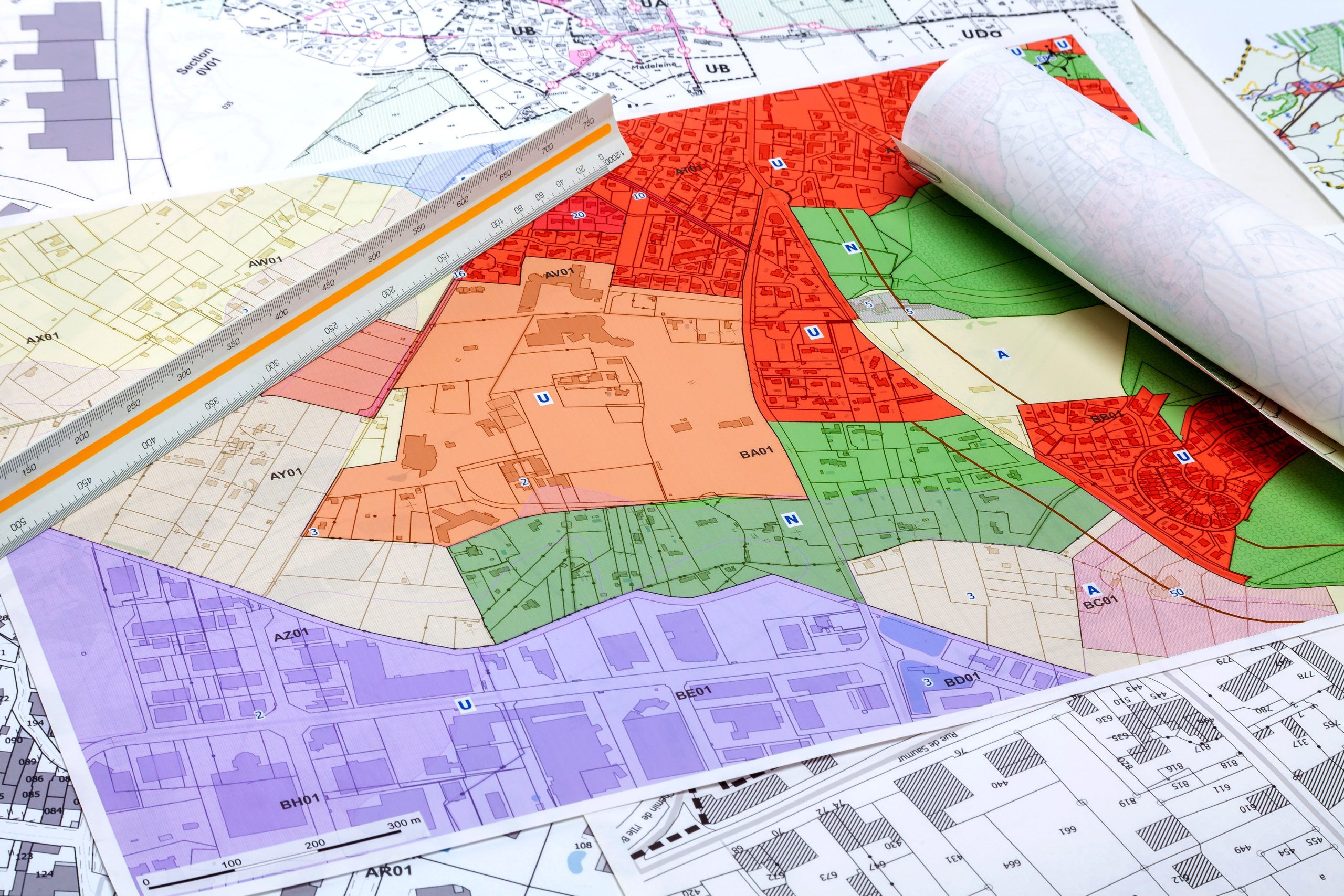
Introduction: Zoning and land use regulations play a critical role in shaping development projects in Chicago. For equitable developers, understanding these regulations is essential to creating projects that align with both community needs and city requirements. However, zoning laws can be complex, often requiring careful navigation and strategic planning. In this post, we’ll break down key zoning considerations, common challenges, and practical strategies for success.
1. Understanding Zoning Basics in Chicago
What is Zoning?
Zoning laws dictate how land can be used, regulating aspects like building height, density, and permitted uses.
Chicago’s zoning code includes residential (R), business (B), commercial (C), and manufacturing (M) districts, among others.
Why Zoning Matters for Equitable Development:
Ensures developments align with community goals and infrastructure capacity.
Impacts affordability, density, and accessibility of housing and commercial spaces.
Determines what’s allowed by-right versus requiring zoning changes or variances.
2. Common Zoning Challenges for Equitable Developers
Zoning Restrictions:
Some sites may be zoned in ways that limit their development potential.
Solution: Work with zoning attorneys or city planners to explore rezoning or variances.
Community Pushback:
Residents may oppose zoning changes due to concerns about density or affordability.
Solution: Engage early with the community to build trust and demonstrate project benefits.
Historic and Landmark Districts:
Development in historic areas may require additional approvals and design considerations.
Solution: Work with preservation agencies to ensure compliance while maintaining project viability.
3. Strategies for Navigating Zoning and Land Use Regulations
Conduct Zoning Research Early:
Before acquiring a property, confirm zoning classification and any restrictions.
Zoning Analysis: I’ll help you assess properties based on their zoning classifications and potential for redevelopment.
City and Community Navigation: I’ll connect you with key city officials and community groups to facilitate approvals.
Strategic Property Selection: I’ll identify properties that align with your development goals while minimizing zoning hurdles.
Partnership Coordination: Whether you need zoning attorneys or architects, I’ll introduce you to experts who can streamline the process.
Conclusion:
Zoning and land use regulations can be a hurdle—or an opportunity—for equitable developers in Chicago. With the right knowledge and approach, you can navigate zoning complexities to bring impactful projects to life. Need help finding properties with zoning that supports your vision? Let’s connectand strategize your next move.
Avoid These Common Pitfalls When Facing Foreclosure
Introduction: Facing foreclosure can be an overwhelming experience, and it’s easy to feel paralyzed or unsure of your next move. However, the choices you make during this time can have a significant impact on your financial future. By understanding the most common mistakes property owners make, you can take proactive steps to protect your interests and explore the best options available.
Mistake #1: Ignoring the Problem
When you’re struggling with mortgage payments, it can be tempting to avoid opening letters from your lender or answering their calls. Unfortunately, ignoring the situation only makes it worse.
How to Avoid It:
Contact Your Lender Early: Many lenders are willing to work with owners to create a repayment plan or modify the loan terms. The sooner you reach out, the more options you’ll have.
Open All Mail: Keep track of deadlines and notices to ensure you don’t miss important opportunities for assistance.
Mistake #2: Waiting Too Long to Seek Help
Time is critical when you’re facing foreclosure. Waiting until the last minute to explore your options can limit what’s available to you.
How to Avoid It:
Act Quickly: Whether it’s contacting your lender, consulting with a housing counselor, or exploring a property sale, start the process as soon as possible.
Work with Professionals: A real estate agent, attorney, or financial advisor can help you understand your options and create a plan.
Mistake #3: Falling for Scams
Unfortunately, scammers often target property owners in distress, offering “quick fixes” that end up costing more in the long run.
How to Avoid It:
Do Your Research: Be cautious of anyone who promises a guaranteed solution or asks for payment upfront.
Seek Trusted Advice: Work with licensed professionals, such as real estate agents, housing counselors, and attorneys, to ensure you’re getting legitimate help.
Mistake #4: Failing to Explore All Your Options
Some owners assume foreclosure is inevitable or that selling their property isn’t an option, but this isn’t always true.
How to Avoid It:
Learn About Alternatives: Options like loan modifications, short sales, or forbearance programs can help you avoid foreclosure.
Consider Selling: If keeping your property isn’t feasible, selling it could be a way to minimize financial damage and start fresh.
Mistake #5: Neglecting to Plan for the Future
Even after resolving a foreclosure situation, some owners don’t take steps to rebuild their financial stability, which can lead to ongoing challenges.
How to Avoid It:
Focus on Recovery: Work with a financial advisor to create a plan for improving your credit and rebuilding savings.
Set Goals: Consider how you can position yourself for long-term financial health, whether it’s budgeting, paying off debts, or planning your next steps.
How I Can Help
Navigating foreclosure is never easy, but you don’t have to do it alone. I’ve worked with owners in similar situations to:
Explore alternatives to foreclosure that protect their credit and finances.
Sell their properties quickly and with as little stress as possible.
Connect them with trusted professionals for tailored financial and legal advice.
Conclusion: Mistakes can make an already difficult situation even harder, but avoiding these common pitfalls can give you a clearer path forward. The right help, at the right time, can make all the difference. Remember, you have options—and taking action now can lead to a better outcome.
When the city of Chicago was first established it was muddy! Originally everything was built at about the same level as the lake. Due to the flat grade there was no drainage so when it rained the streets would turn to mud and many would even become impassable. Basements would flood everytime and the stagnate water would become a breeding ground for germs. Solutions such as building wooden sidewalks so the rain could seep below them failed as the water would rot the wood. The city was forced to design a proper sewer and storm water system to allow the water to drain. The only problem was since the city was on the same level as the lake a sewer couldn’t be built underneath without raising the city. Having started his career working for his father to move houses to new foundations, George Pullman was among the team of engineers hired to take on the incredible task of raising Chicago’s buildings to a higher level, for which he was handsomely paid.
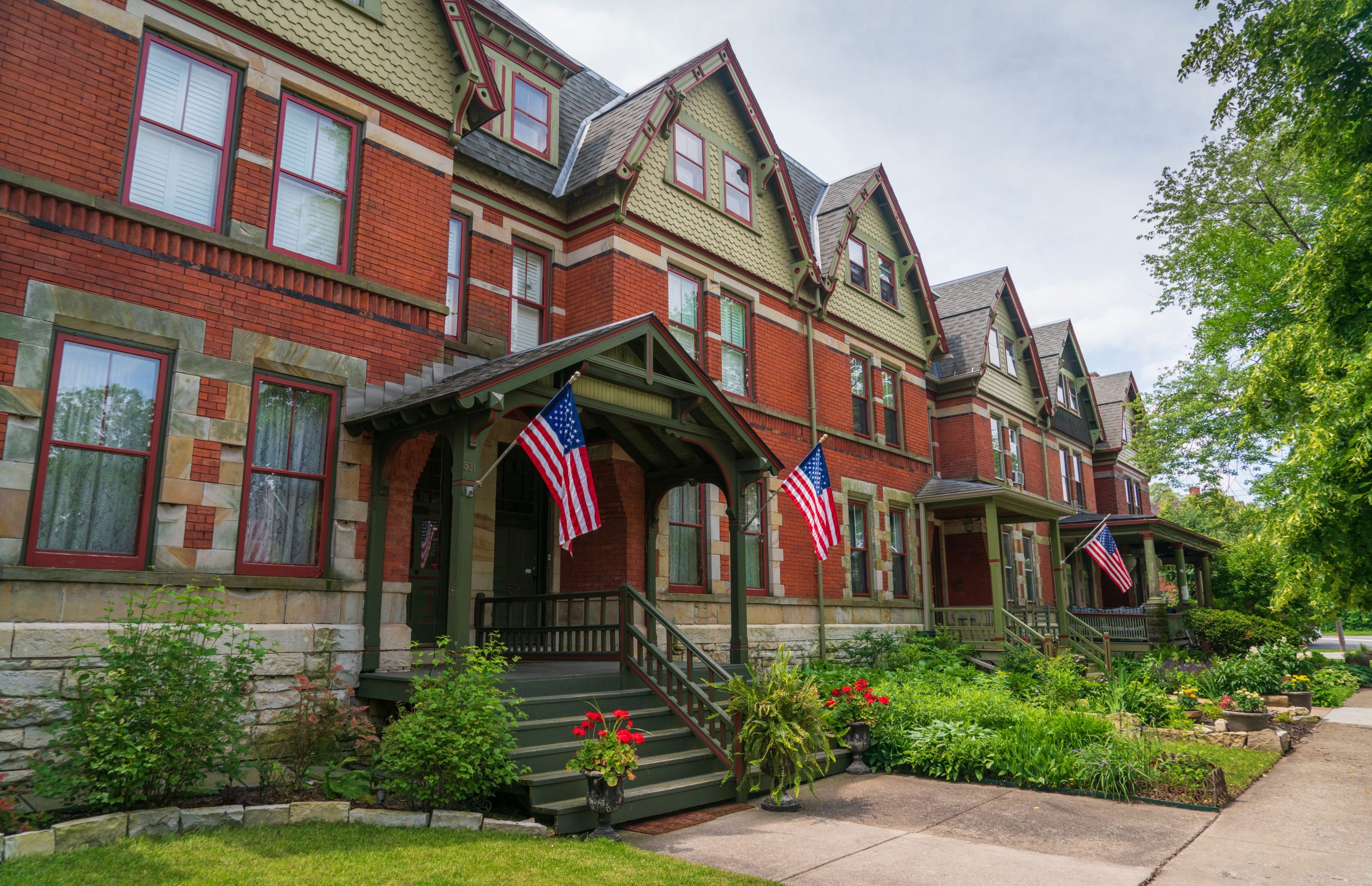
Pullman came to Chicago from New York by train. The cramped quarters on the trains inspired him to start his own rail car company. He designed a variety of luxury cars for sleeping, dining, lounging, etc. His cars were too expensive for the rail companies to purchase them, so he created his business model around leasing them equipped with staff. As his business grew Pullman needed to build a new factory. He purchased 4,000 acres of land just south of Chicago and decided to build a company town. He built housing for his workers, his manufacturing plant, a church, a theater for entertainment, as well as a hotel for visiting businessmen. Construction began in early 1880 and by 1883 the community had a population of 8,000.
You may recall my October 2023 post about New City, in which we learned about workers who wanted to live near their job, due to lack of transportation, but also the poor living and working conditions at the stock yards that led to a multitude of workers strikes. While the housing in Pullman was much nicer than by the stock yards, accommodations were more spacious and even had indoor plumbing, gas, sewers, alleys for trash collection, and small yards, the residents of Pullman were renting from their employer. Rents were collected directly from their paychecks. This gave George Pullman a sense of authority of not just over how his employees performed at work, but also how they behaved in their own homes. Pullman banned alcohol sales in the town, except at the hotel where he resided and entertained visiting business men, he required a dress code outside of work, he disallowed public forums for discussion, sent inspectors to randomly inspect the homes of his tenants, and would terminate leases spontaneously.
This behaviour didn’t go unnoticed, as was reported in the Chicago Tribune in 1888.
“There are variety and freedom on the outside. There are monotony and surveillance on the inside. None of the “superior,” or “scientific” advantages of the model city will compensate for the restrictions on the freedom of the workmen, the denial of opportunities of ownership, the heedless and vexatious parade of authority, and the sense of injustice arising from the well founded belief that the charges of the company for rent, heat, gas, water, etc. are excessive –if not extortionate…Pullman may appear all glitter and glow, all gladness and glory to the casual visitor, but there is the deep, dark background of discontent which it would be idle to deny.” The Chicago Tribune, September 21, 1888
The railroad industry in the United States was experiencing a bubble in the 1880s. Many investors were banking on railroad companies and as a result railroads were overbuilt, which ultimately led to failure. In February of 1893 both the Philadelphia and Reading Railroad went into receivership. This was a large contributor to the Panic of 1893. By June 1894 over 125 railroads were in receivership. As a result Pullman’s demand plummeted. George Pullman’s solution was to lower the wages of his employees, but not decrease their rent payments. This became the last straw for workers who were already living in the oppressive town. Employees tried to work with the American Railway Union (ARU) to negotiate wage increases, but to no avail. In response the ARU launched a boycott on running trains with Pullman cars. Strikebreakers were then hired to work the trains and railroad companies rallied together to run Pullman cars along with mail cars, knowing that if the strikers shut down the trains with mail cars the federal government would step in. It happened and thousands of troops were sent to Chicago to end the boycott. Riots that took place across the country resulted in the death of 30 people in Chicago and an estimated 40 more in other states. Following the strike President Grover Cleveland appointed a commission to study the cause of the strike. They found the town of Pullman to be un-American and forced the company to divest ownership in it. He also declared Labor Day as a federal holiday only six days after the strike ended.
George Pullman died in 1897 and Robert Todd Lincoln and Thomas Wickes took control of the company. Lincoln and Wickes built more industrial buildings and the housing, that they no longer controlled, started to fall into disrepair.
The Pullman Porters, who were the onboard staff hired to assist passengers, were in many cases former slaves hired by Pullman since they would have already received the particular training needed to be able to serve to a customer’s every whim. He ended up being the largest employer of black people in the United States. Their jobs were tough with very long hours, low pay, and abuse from passengers. Many of whom would call every porter “George”, regardless of his real name. This came from slaves being named after their owner, as if the porters were George Pullman’s slaves. The practice became so widespread that a group called the Society for the Prevention of Calling Sleeping Car Porters “George” was formed, to protect white men who were actually named George. In 1926 the group successfully got the Pullman company to install name cards for the porter on duty, so they can be called by their own name.
On the other hand, porters were well regarded within their own communities. They dressed well, spoke intelligently, were well traveled, and had a steady income. They were looked up to by the young men in their communities and are seen as significant contributors to the formation of the black middle class. The porters rallied for better pay and working conditions as early as 1900. After organizing the first black labor union, the Brotherhood of Sleeping Car Porters in 1925, they started to gain traction in this endeavour. The union was also a large contributor to the Civil Rights Movement in the 1950s.
In 1960 the town Pullman built was threatened to be raised between 111th-115th streets for industrial expansion. The Pullman Civic Organization (PCO) fought this proposal in order to preserve the historical significance of the area. In 1969 the area was listed on the National Register of Historic Places by the National Park Service and in 1970 it was deemed a National Historic Landmark District. The Historic Pullman Foundation was founded in 1973 and they purchased buildings to rehab, while the PCO provided grants to residents to rehab their homes. In 1991 the State of Illinois purchased the Hotel Florence, the Administration, and Factory buildings. In 2015 Pullman was designated Chicago’s first national park.
On Labor Day weekend, 2021 the Pullman National Monument and State Historic Site celebrated its grand opening. Today visitors can come tour the grounds and buildings to learn even more about the massive amounts of history that came out of George Pullman’s company town.
Introduction: Equitable development often walks a fine line between financial viability and community impact. While profitability ensures the sustainability of a project, community benefit fulfills the mission of equitable development. Striking this balance can feel challenging, but it’s achievable with the right strategies. In this post, we’ll explore how developers can achieve financial success while fostering positive change in the communities they serve.
Understanding the Tension Between Profit and Impact
Financial Goals: Developers need to ensure projects are profitable to secure funding, repay investors, and sustain future initiatives.
Community Goals: Equitable development emphasizes affordability, sustainability, and inclusivity—often requiring concessions that can impact margins.
Finding Common Ground: By prioritizing long-term value and community partnerships, developers can align both goals.
Strategies for Balancing Profitability and Community Impact
Leverage Public-Private Partnerships (PPPs):
Collaborate with government agencies, nonprofits, and private investors to share costs and resources.
Example: Using city grants to offset construction costs for affordable housing units.
Explore Mixed-Use Developments:
Combine residential, commercial, and community spaces to create diversified revenue streams.
Example: Adding retail spaces to generate income while maintaining affordable housing units.
Focus on Sustainability:
Invest in green building practices and energy-efficient designs to lower operating costs while benefiting the environment.
Example: Installing solar panels and energy-efficient systems to reduce utility expenses.
Incorporate Phased Development:
Start with smaller phases to test feasibility and generate revenue for subsequent stages.
Example: Building a community center first to establish goodwill before expanding into housing or commercial spaces.
Building Community Partnerships for Long-Term Success
Engage Early: Involve the community in the planning phase to align the project with their needs.
Foster Trust: Be transparent about your financial goals and how they align with community impact.
Collaborate on Solutions: Work with local organizations to address affordability, access, and inclusion challenges.
Create Shared Value: Prioritize features that benefit both residents and developers, like well-designed public spaces or transit-oriented development.
Measuring Success Beyond the Bottom Line
Community Metrics:
Number of affordable housing units created.
Local jobs generated during and after construction.
Accessibility of public spaces or amenities.
Sustainability Metrics:
Reduction in carbon footprint or energy consumption.
Use of eco-friendly materials and practices.
Financial Metrics:
Return on investment (ROI) balanced with long-term community benefits.
How I Can Help as Your Real Estate Agent
Identify Profitable Opportunities: I’ll help you find properties that align with both your financial goals and community impact mission.
Connect You with Resources: My network includes grant advisors, city officials, and community advocates who can help you secure funding and support.
Strategic Planning: I can advise on a development plan that balances revenue generation with meaningful community contributions.
Ongoing Support: From property acquisition to project completion, I’ll be your partner in achieving success on all fronts.
Conclusion: Balancing profitability and community impact is an art, but it’s one that equitable developers can master. By leveraging partnerships, incentives, and creative strategies, you can build projects that are both financially successful and deeply beneficial to the communities they serve. Ready to strike the right balance for your next development? Let’s connect and make it happen.
Foreclosure Basics: What Every Property Owner Needs to Know
Introduction: Foreclosure is a term that no property owner wants to hear, but understanding the process and your options can make a challenging situation more manageable. If you’re concerned about your ability to keep up with mortgage payments, knowing what foreclosure means—and how to navigate it—can help you take control of your situation.
What is Foreclosure?
Foreclosure is a legal process in which a lender takes ownership of a property after the owner fails to make mortgage payments. It’s the lender’s way of recouping their losses, but it can have serious financial and emotional consequences for the owner.
Key Points About Foreclosure:
It negatively impacts your credit score, making it harder to qualify for future loans.
The process varies by state but often takes several months to complete.
Owners do have options to stop or delay foreclosure, which we’ll explore below.
The Stages of Foreclosure
Missed Payments:
Foreclosure typically begins after 3–6 months of missed mortgage payments. The lender will send notices, urging you to catch up.
Pre-Foreclosure:
The lender files a formal notice (e.g., Notice of Default or Lis Pendens) that starts the legal foreclosure process. During this time, you can still work out alternatives.
Auction:
If no resolution is reached, the property is sold at auction to the highest bidder or reverts back to the lender.
Post-Foreclosure:
If the property is not sold at auction, it becomes Real Estate Owned (REO) by the lender, and the homeowner must vacate.
What You Can Do to Avoid Foreclosure
Contact Your Lender:
Many lenders offer options like loan modifications, repayment plans, or forbearance programs to help you keep your property.
Seek Professional Guidance:
Work with a housing counselor, financial advisor, or attorney to explore your rights and options. They can provide advice on programs and legal protections available to you.
Explore Selling Your Property:
If keeping your property isn’t feasible, selling it could help you avoid foreclosure and minimize the impact on your credit. A short sale might also be an option if your property is underwater.
Know Your Rights:
Research local foreclosure laws or consult with a real estate attorney to understand what protections you may have.
How I Can Help
As a real estate professional experienced in working with distressed property owners, I can help you explore solutions that align with your goals, including:
Selling your property quickly to avoid foreclosure.
Exploring short sale options if the value is less than the mortgage balance.
Connecting you with trusted financial and legal professionals for tailored advice.
If you’re ready to take action or have questions, let’s talk. I’m here to support you every step of the way.
Conclusion: Foreclosure doesn’t have to be the end of your story. By understanding the process and taking proactive steps, you can regain control and work toward a brighter future. Remember, you’re not alone, and there are resources and professionals ready to help you navigate this challenge.
Introduction: Equitable development isn’t just about building structures—it’s about fostering connections and creating spaces that reflect the needs and aspirations of the community. At the heart of this process lies community engagement, a critical step in ensuring projects are both successful and sustainable. In this post, we’ll explore the role of community engagement in equitable development and share actionable strategies to implement it effectively.
What Is Community Engagement?
Definition: Community engagement involves actively involving residents, stakeholders, and local organizations in the planning and decision-making processes of a development project.
Core Principles:
Transparency: Openly sharing plans, goals, and potential challenges.
Inclusivity: Ensuring all voices, especially marginalized ones, are heard.
Collaboration: Working together to find solutions that align with community needs.
Why Community Engagement Matters
Builds Trust: Engaging early and often establishes trust and goodwill among community members.
Reduces Conflict: Proactive communication minimizes opposition by addressing concerns upfront.
Enhances Project Success: Incorporating community input leads to developments that are more aligned with local needs and priorities.
Fosters Long-Term Impact: Projects that involve community collaboration are more likely to create lasting benefits.
Types of Community Engagement
Informative:
Sharing information about the project through newsletters, websites, or public notices.
Example: Hosting an open house to present initial plans and gather questions.
Consultative:
Actively seeking feedback through surveys, focus groups, or town hall meetings.
Example: Using surveys to identify top community concerns about development.
Collaborative:
Partnering with residents and local organizations to co-create solutions.
Example: Forming a community advisory board to guide key project decisions.
Empowerment:
Giving the community a direct role in decision-making.
Example: Allowing residents to vote on certain aspects of the project, like public space design.
Strategies for Effective Community Engagement
Start Early: Begin engaging with the community during the planning phase to set the tone for collaboration.
Be Accessible: Use multiple platforms—online and in-person—to reach a diverse audience.
Listen Actively: Treat feedback as valuable data that shapes your project, not just a formality.
Follow Up: Communicate how input has influenced your plans to show you value the community’s voice.
Work with Local Partners: Collaborate with nonprofits, community groups, and advocates to amplify your outreach.
Overcoming Common Challenges
Resistance to Change:
Approach: Address concerns empathetically and highlight long-term benefits.
Example: Show how your project supports affordable housing or local job creation.
Mistrust of Developers:
Approach: Be transparent about your intentions, funding, and expected outcomes.
Example: Share detailed plans and explain how they align with community goals.
Diverse Perspectives:
Approach: Create platforms for all voices to be heard, from long-time residents to new community members.
How I Can Help as Your Real Estate Agent
Stakeholder Introductions: I’ll connect you with local leaders and organizations to kickstart your engagement efforts.
Outreach Planning: Together, we’ll develop an outreach strategy tailored to your project and target neighborhood.
Feedback Integration: I’ll help you translate community input into actionable project improvements.
Continuous Support: From the first meeting to project completion, I’ll guide you in maintaining positive community relationships.
Conclusion: Community engagement isn’t just a box to check—it’s a cornerstone of equitable development. By listening to and collaborating with residents, you can build projects that truly benefit the people they serve. If you’re ready to create meaningful connections with the community for your next project, let’s work together to make it happen.
Short Sales 101: Understanding the Process and Deciding If It’s Your Best Option
Introduction: Facing financial challenges with your property can feel overwhelming, but there are options that can help you move forward. A short sale is one potential path for property owners who owe more on their mortgage than their property is worth. While it’s not the right fit for everyone, understanding the basics can help you decide if this solution aligns with your needs.
What is a Short Sale?
A short sale occurs when an owner sells their property for less than the amount owed on the mortgage, with the lender’s approval. This option can be a way to avoid foreclosure, but it requires careful consideration and approval from the lender.
Key Features of a Short Sale:
The sale price is “short” of what’s owed on the mortgage.
The lender agrees to accept the reduced amount as full payment.
You typically work with a real estate agent experienced in short sales to manage the process.
When is a Short Sale a Good Option?
A short sale might be worth exploring if:
You’re Experiencing Financial Hardship: Circumstances like job loss, medical bills, or divorce make it difficult to stay current on your mortgage.
Your Property is Underwater: Your home’s market value is less than the balance remaining on your mortgage.
You Want to Avoid Foreclosure: A short sale can be less damaging to your credit than foreclosure and may offer a faster path to financial recovery.
Before proceeding, consult with a financial advisor or attorney to understand how a short sale could impact your credit, taxes, and overall financial health.
What to Expect During the Short Sale Process
Consult with Experts:
Work with a real estate professional experienced in short sales.
Seek guidance from a financial advisor and a tax professional to understand the implications.
Communicate with Your Lender:
Submit a hardship letter explaining your situation.
Provide financial documentation, such as proof of income and expenses, to support your case.
List Your Property:
Your agent will market the property, negotiate offers, and work with the lender to secure approval for the sale.
Close the Sale:
Once the lender approves an offer, the closing process begins.
The lender typically forgives the remaining balance on the mortgage, though tax implications may apply.
How I Can Help
Navigating a short sale can feel complex, but I’m here to guide you every step of the way. With experience in helping homeowners through similar situations, I can:
Help you determine if a short sale is the right choice for you.
Manage the listing, negotiation, and coordination with your lender.
Connect you with trusted professionals, like financial advisors or attorneys, for personalized guidance.
If you’re curious about whether a short sale is right for your situation, let’s talk. I’m here to help you explore your options.
Conclusion: A short sale isn’t just about selling your home; it’s about finding a solution that helps you move forward. With the right team and a clear understanding of the process, you can turn a challenging situation into an opportunity for a fresh start.


 Facebook
 X
X
 Pinterest
 Copy Link